Work in progress (2023. -)
No feeling is final
ABOUT
No Feeling Is Final
Work in progress (2023– )
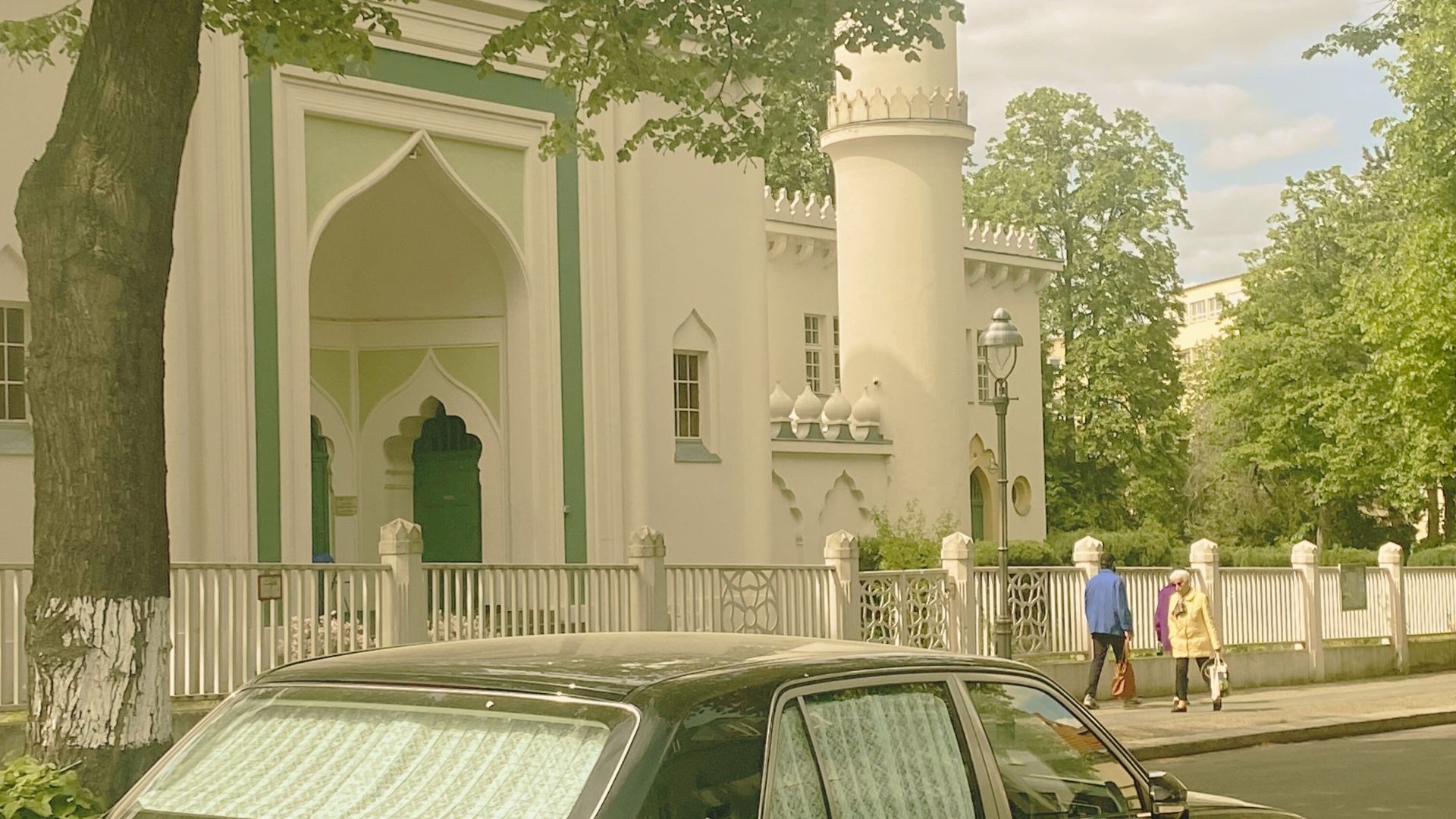
This work develops from the personal experience of being unable to participate in a funeral ritual after the death of a family member. As I could not attend the funeral in my home country, the project begins with a conscious attempt to reconstruct an act of farewell through movement, observation of space, and cinematic composition.
The architecture of a mosque was chosen as the site of this act, a deliberate decision connected to the identity of the person to whom the work is dedicated. However, the project does not approach the space through religious ritual. Instead, the site becomes a spatial framework within which a personal, secular ritual of remembrance unfolds.
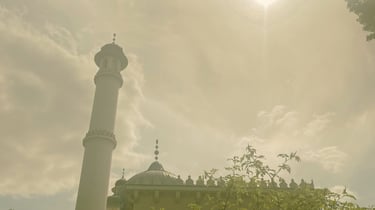
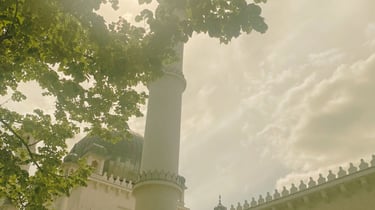
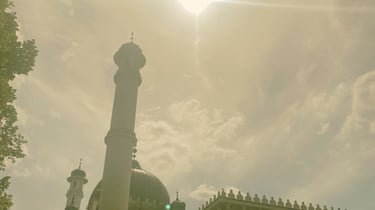
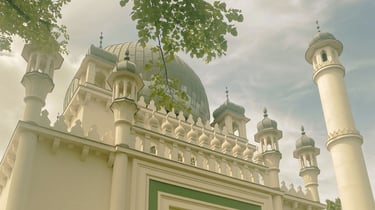
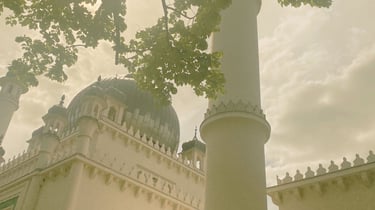
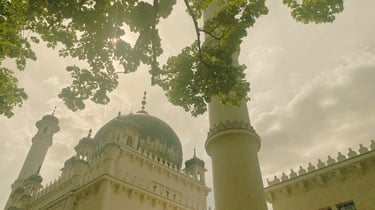
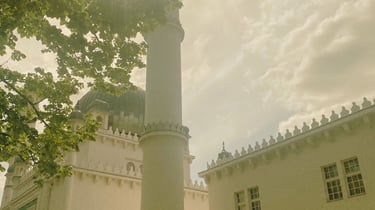
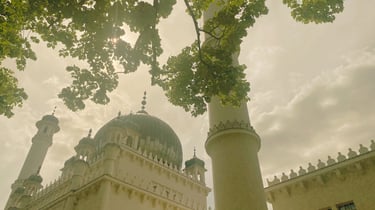
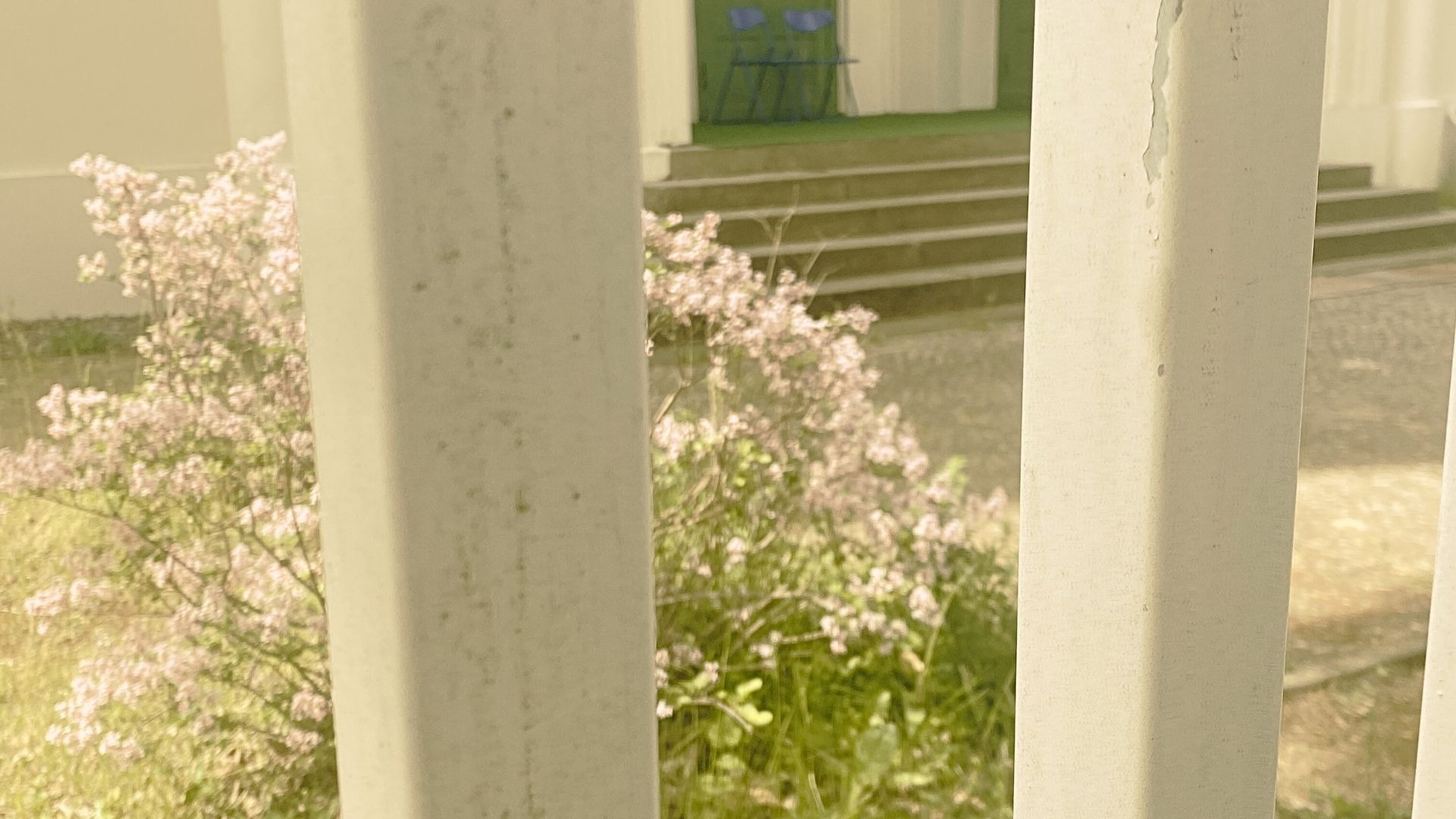
The visual material is produced through walking around the building, where the architecture appears through fragments and shifting perspectives. Rather than presenting a complete view of the structure, the images record partial encounters with the space, along with passing figures and atmospheric elements that accompany movement through the city.
The film develops these fragments into a structured sequence through the rhythm of image, sound, and narration. By collaging time, slowed movement, ambient sound, and textual narration, the work constructs an imagined act of farewell that could not take place in reality.
In this way, the project investigates how personal memory can be transformed into cinematic space, and how artistic practice may function as a site for symbolically completing an event that, in lived experience, remained unresolved.
No Feeling Is Final
Work in progress (2023– )
This work originates from the experience of being unable to attend the funeral of a family member. Unable to travel to my home country, I found myself without access to the ritual of farewell — the moment of collective grief that marks and closes a death.
In response, I sought out a mosque in the city where I was living. The choice of site was deliberate: my aunt, to whom this work is dedicated, was Muslim. I was raised between two cultures — Catholic and Muslim — and belong fully to neither. The mosque was not approached as a place of religious practice, but as the nearest spatial equivalent to her world that I could reach. It was the only thing I had.
What followed was a walk. I circled the building from the outside, unable to enter. Each time I felt the impulse to stop — to finish, to leave — I found myself turning back, looking again at the architecture, at its fragments visible through trees and sky. The camera recorded what I could see from where I stood: partial views, shifting light, the building appearing and disappearing as I moved around it. This circling became the ritual. The inability to enter became its central gesture.
The film develops this material into a structured sequence through the rhythm of image, movement, sound, and narration. Working with slowed footage, ambient sound, and spoken text, the work constructs an imagined farewell — one that could not take place in reality, but which artistic practice allows to be symbolically completed.
The project investigates how personal memory can be transformed into cinematic space, and how the unresolved — the goodbye that never happened — might find form through image and time.
2.6 Narrator’s voice as a new character in the story
2.9 Rhythm: Writing, narrating, editing
3.8 Author as a voice: Author is present
3.9 The creative act as a way of becoming
“I will remember you.“
-EXCERPT FROM NO FEELING IS FINAL
No feeling is final
Written and Narrated by Tina Bikic
Text in development.